
Hair thinning affects millions of people, and the search for effective treatments has led many to explore red light therapy for hair growth. But does this technology actually deliver results, or is it just another overhyped solution? The science is surprisingly promising, with clinical studies showing measurable improvements in hair density and count. According to a study, participants using red light therapy saw a 43% increase in hair density over 24 weeks. Those numbers deserve a closer look.
Table of Contents
- The Science Behind Red Light Therapy for Hair Growth
- Effectiveness of Red Light Therapy for Hair Loss Conditions
- Choosing the Right Red Light Therapy Device
- Best Practices for Maximizing Hair Regrowth
- Safety, Side Effects, and Realistic Expectations
The Science Behind Red Light Therapy for Hair Growth
How Red Light Therapy (LLLT) Stimulates Hair Follicles
Low-level laser therapy works by delivering specific wavelengths of light, typically between 630-670nm, directly to the scalp. This light penetrates the skin and is absorbed by mitochondria in hair follicle cells, triggering increased ATP production. The result is enhanced cellular energy and improved blood circulation to the scalp, which delivers more oxygen and nutrients to dormant follicles.
Extending the Anagen Phase of the Hair Cycle
Hair grows in cycles: anagen (growth), catagen (transition), and telogen (rest). Red light therapy appears to prolong the anagen phase while potentially reactivating follicles stuck in telogen. This extended growth window means individual hairs reach greater length and thickness before shedding naturally.
[nectar_global_section id=”24323″]
Success

BEFORE
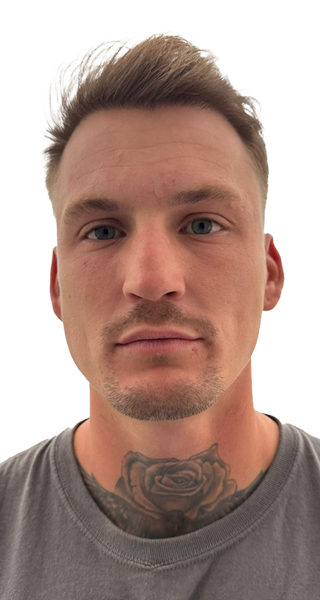
AFTER

Shane Dean Stocks
- 2.800 Grafts
- 9 months post-procedure
- From Chesterfield
Nine months ago, I took a life-changing step with a Sapphire FUE hair transplant. Today, the results speak for themselves.

BEFORE

AFTER
Matt School
- 5000 Grafts
- 1 year post-procedure
- From Georgia
I started losing my hair almost 10 years ago. When I decided to take action against my thinning hairline, I did lots of research. Estenove was the obvious choice. When I look back, I almost feel bad I didn't come here sooner.
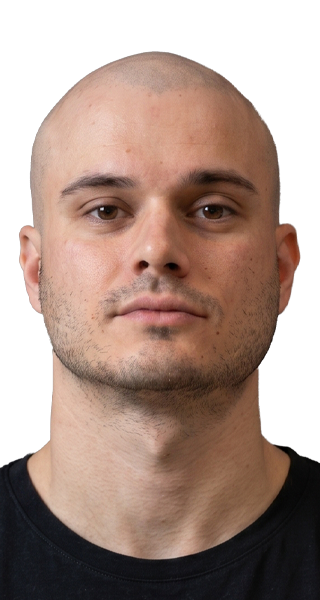
BEFORE

AFTER
Andrew Barr
- 5300 Grafts
- 9 months post-procedure
- From Toronto
Having a deeply receded hairline hurt my confidence. I wanted to look better and all my research pointed to Estenove. A quick trip to Istanbul and my hair looks better than it ever did before!

BEFORE

AFTER
Kevin Tison
- 4300 Grafts
- 1 year post-procedure
- From Louisiana
Estenove did wonders for me! My hair used to be very wispy and thin, but now I have a full head of hair.

BEFORE

AFTER
Tony Walker
- 4450 Grafts
- 9 months post-procedure
- From Oklahoma
My experience with Estenove was unbelievable! I got many compliments after my procedure. I was so happy with them that I brought my son here to get his hair transplant as well.

BEFORE

AFTER
Samuel Cote
- 4700 Grafts
- 1 year post-procedure
- From Massachusetts
I really liked my hair before I lost it. When I lost it, it felt devastating. I tried medicine and natural remedies but nothing brought it back except the talented team at Estenove. I'm happy to have my hair back.
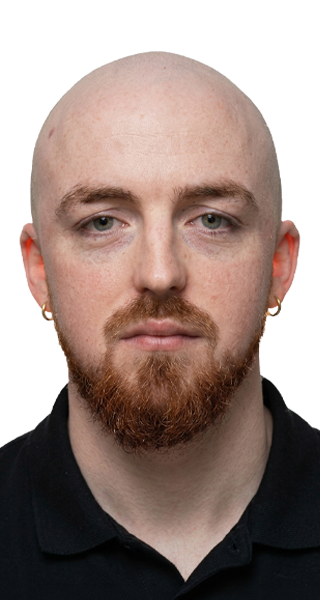
BEFORE

AFTER
Jozef Jed Rollin
- 3800 Grafts
- 1 month post-procedure
- From United Kingdom
My thinning hair made me look a lot older than I actually am. I hated that. Thanks to Estenove, I finally look my age and have the confidence to back it up.

BEFORE

AFTER
Charles Roger Billings
- 5600 Grafts
- 9 months post-procedure
- From Toronto
Losing my hair felt like the worst thing ever! I'm so glad I came to Estenove. I think the results speak for themselves.

BEFORE

AFTER
Ilya Sharapov
- 3800 Grafts
- 9 months post-procedure
- From Lille
Getting a hair transplant instantly made me look and feel 10 years younger. I'm beyond happy to finally have hair again.

BEFORE

AFTER
Nathan Squire Merrill
- 5200 Grafts
- 1 year post-procedure
- From Utah
When the man in the mirror started to feel like it wasn't me anymore, I knew it was time to take action. Luckily, Estenove came to my help and gave me back my hair. I finally feel good in my skin.

BEFORE

AFTER
Denise Sylvia Dykes
- 2.800 Grafts
- 9 months post-procedure
- From Burns Lake, CA
BEFORE
AFTER
Shane Dean Stocks
- 2.800 Grafts
- 9 months post-procedure
- From Chesterfield
BEFORE
AFTER
Matt School
- 5000 Grafts
- 1 year post-procedure
- From Georgia
BEFORE
AFTER
Andrew Barr
- 5300 Grafts
- 9 months post-procedure
- From Toronto
BEFORE
AFTER
Kevin Tison
- 4300 Grafts
- 1 year post-procedure
- From Louisiana
BEFORE
AFTER
Tony Walker
- 4450 Grafts
- 9 months post-procedure
- From Oklahoma
BEFORE
AFTER
Samuel Cote
- 4700 Grafts
- 1 year post-procedure
- From Massachusetts
BEFORE
AFTER
Jozef Jed Rollin
- 3800 Grafts
- 1 month post-procedure
- From United Kingdom
BEFORE
AFTER
Charles Roger Billings
- 5600 Grafts
- 9 months post-procedure
- From Toronto
BEFORE
AFTER
Ilya Sharapov
- 3800 Grafts
- 9 months post-procedure
- From Lille
BEFORE
AFTER
Nathan Squire Merrill
- 5200 Grafts
- 1 year post-procedure
- From Utah

BEFORE

AFTER
David Allen Williams
- 3600 Grafts
- 1 year post-procedure
- From Illinois
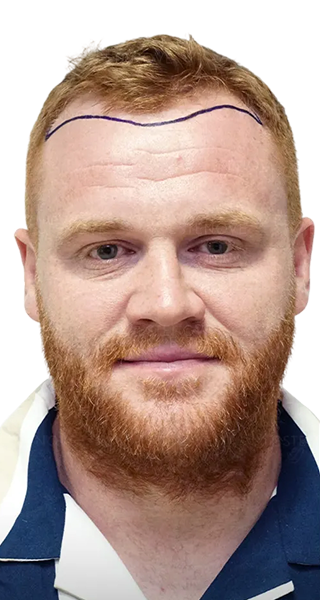
BEFORE

AFTER
Kyle Plump
- 4.150 Grafts
- 9 months post-procedure
- From King's lynn
Effectiveness of Red Light Therapy for Hair Loss Conditions
Treating Androgenetic Alopecia in Men and Women
Pattern hair loss responds particularly well to this treatment. Unlike topical medications that block hormones or surgical interventions, red light therapy addresses hair loss at the cellular level without systemic side effects. Both men experiencing receding hairlines and women dealing with diffuse thinning have shown positive responses in clinical trials.
Clinical Evidence and Expected Results
The research backs up the claims. A clinic reports that participants using FDA-cleared devices experienced up to a 35% increase in hair count after 16 to 24 weeks of consistent use. These aren’t overnight transformations, but the gradual, documented progress suggests legitimate efficacy.
Choosing the Right Red Light Therapy Device
Laser Caps vs. LED Panels: Which is Better?
Laser caps offer convenience and hands-free treatment, fitting under a hat while you work or relax. LED panels provide broader coverage and often higher power output but require you to remain stationary. For targeted scalp treatment, laser caps typically deliver more concentrated energy to follicles. The market has grown substantially: A study reports the red-light device market reached $361.5 million in 2024 and is projected to grow about 9% annually through 2031.
Key Specifications: Wavelength and Power Density
Not all devices perform equally. Look for:
- Wavelength: 630-670nm for optimal follicle penetration
- Power density: At least 3-5 mW/cm² for therapeutic effect
- FDA clearance: Indicates the device has met safety and efficacy standards
- Coverage area: Sufficient to treat your specific pattern of thinning
[nectar_global_section id=”25241″]
Best Practices for Maximizing Hair Regrowth
Consistency and Treatment Frequency
Most protocols recommend 15-25 minute sessions, three to four times weekly. Skipping sessions undermines results because hair follicles need sustained stimulation to shift from dormant to active phases. Set a schedule and stick to it for at least four to six months before evaluating progress.
Red Light Therapy After a Hair Transplant
Clinics like Estenove often recommend red light therapy as part of post-transplant care. The treatment accelerates healing, reduces inflammation, and may improve graft survival rates. Starting sessions about two weeks after surgery can enhance both recovery speed and final density outcomes.
Combining Red Light with Other Hair Loss Treatments
Red light therapy works synergistically with other approaches:
- Minoxidil: Enhanced absorption and effectiveness
- Finasteride: Addresses different mechanisms simultaneously
- PRP injections: Complementary cellular stimulation
- Proper nutrition: Ensures follicles have building blocks for growth
Safety, Side Effects, and Realistic Expectations
Red light therapy carries minimal risk when used as directed. Unlike UV light, these wavelengths don’t damage skin or increase cancer risk. Some users report mild scalp warmth or temporary redness, but serious adverse effects are rare. The treatment won’t resurrect follicles that have been dormant for decades or completely reverse advanced baldness. Realistic expectations include thicker existing hair, slowed progression of loss, and modest regrowth in areas where follicles remain viable.
The evidence supports red light therapy as a legitimate tool for hair restoration, particularly when combined with other treatments and used consistently over months. If you’re considering this approach, invest in a quality FDA-cleared device and commit to the protocol. Your results depend largely on patience and persistence.
Frequently Asked Questions (FAQs)
Yes, the science is promising, with one study cited in the text showing a 43% increase in hair density over 24 weeks. It works by triggering increased ATP production and improving blood circulation to the scalp.
Most protocols recommended in the text suggest 15-25 minute sessions, three to four times weekly. Consistency is crucial, as results depend on sustained stimulation over months.
Yes, clinics often recommend starting sessions about two weeks after surgery. The text notes that it accelerates healing, reduces inflammation, and may improve graft survival rates.
Yes, it carries minimal risk when used as directed and does not damage skin or increase cancer risk like UV light does. Serious adverse effects are rare, though some users report mild scalp warmth or temporary redness.
References
Kaiyan Medical. (n.d.). Red light therapy hair growth before and after. Kaiyan Medical. https://www.kaiyanmedical.com/post/red-light-therapy-hair-growth-before-and-afteri
Restore Laser. (n.d.). Red light therapy hair growth before and after. iRestore Laser. https://www.irestorelaser.com/blogs/content/red-light-therapy-hair-growth-before-and-after
Medical Disclaimer: These are pharmaceutical treatments with distinct mechanisms and risk profiles. The medical information on this site is provided as an information resource only. Always consult a physician before starting or stopping any medication. Medically reviewed by the Estenove Medical Board. (February 2026)